
Several TV shows have experienced a resurgence in popularity after being released on streaming platforms, and "The Big C" is the latest example. Joining the ranks of hits like "Suits" and "Gilmore Girls," Showtime’s dark comedy-drama has consistently ranked among Netflix’s Top 10 since its 2023 debut on the platform. Spanning four seasons and 40 episodes, the series earned its lead, Laura Linney, both a Golden Globe and an Emmy.
Created by Darlene Hunt, who later worked on Mayim Bialik’s "Call Me Kat," the show features a talented ensemble, including Oliver Platt, Gabriel Basso, and Gabourey Sidibe, with guest appearances from Cynthia Nixon and Idris Elba. It's mostly half-hour episodes, making it an ideal binge-watch for anyone seeking a blend of humor, drama, and heartfelt storytelling.
The Storyline of "The Big C"
"The Big C" follows Cathy Jamison (Linney), a high school teacher and mother in Minneapolis, who receives a stage IV melanoma diagnosis. Rather than immediately sharing this news with her family, Cathy chooses to live differently—on her terms. She kicks her husband (Platt) out of the house, prioritizes quality time with her son (Basso) over mundane activities like soccer camp, and develops an unexpected friendship with her neighbor, Marlene (Phyllis Somerville).
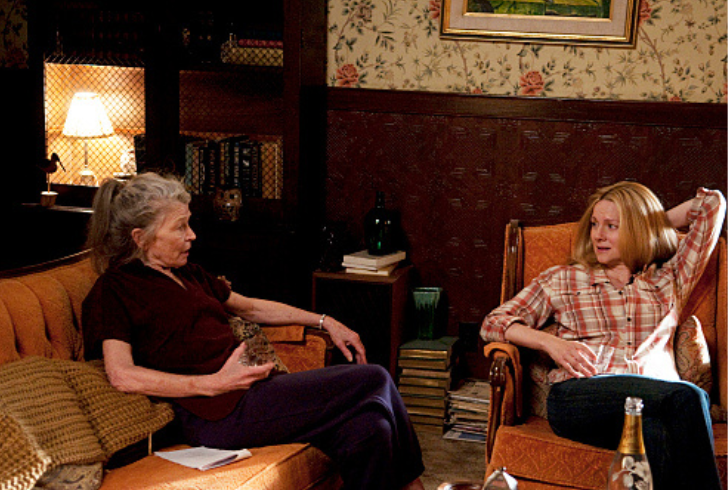
imdb.com | The show highlights Cathy and Marlene's friendship, starting with a pool-related dispute.
The moment Cathy receives her diagnosis, her priorities snap into focus. She stops cushioning the truth, advocates for her own happiness, and starts savoring the pieces of life she once postponed. The story makes a quiet argument: authenticity can be a choice long before circumstances turn dire.
Unlikely Friendships and Character Dynamics
A particularly compelling thread is Cathy’s evolving friendship with Marlene. Their story kicks off with tension—Cathy’s pool plan sparks a complaint, and Marlene escalates it by involving the police. The hostility gives way, piece by piece, to empathy and shared vulnerability.
It’s the kind of relationship that reflects the show’s emotional intelligence—messy, funny, and grounded in real-life shifts.
The Art of Dark Comedy
Cathy’s illness could be a source of unrelenting gloom, but "The Big C" approaches it with dark, candid humor. The show portrays the ripple effects of a terminal diagnosis across family and social circles.
Episodes feature Cathy making unconventional choices, such as canceling her son’s summer camp or spending time with her eco-conscious brother, Sean (John Benjamin Hickey). Her interactions with her oncologist, Todd (Reid Scott), add additional layers of both comedy and charm, especially when he accompanies her on a road trip for an unusual “bee sting treatment” from a specialist played by Liam Neeson.
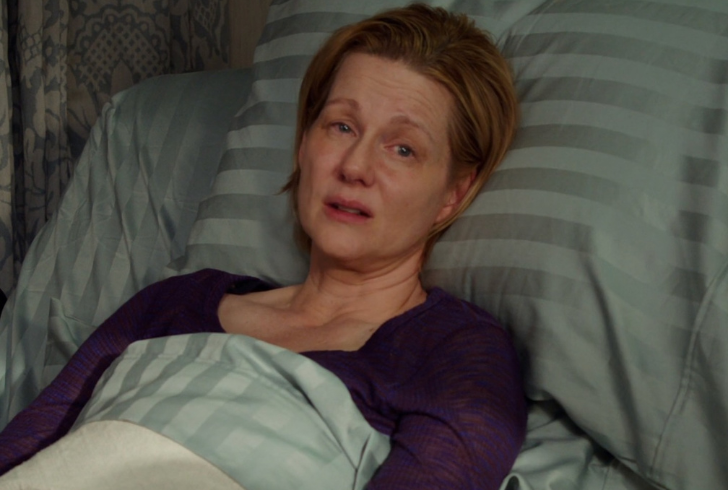
Instagram | tvscholar | “The Big C” blends dark humor with a candid look at terminal illness and the chaos of family life.
The writing strikes an unusual but effective balance, pairing somber moments with humor that feels earned rather than jarring. Though the material is often difficult, the show manages to weave in levity and self-reflection. Laura Linney’s portrayal gives Cathy emotional depth and honesty; she anchors the cast, who meet her performance with matching nuance.
Themes of Authenticity and Life Choices
The show walks a tightrope between dark humor and the realities of terminal illness, folding sharp wit into moments that are undeniably heavy. Laura Linney keeps the emotional core steady; her portrayal of Cathy feels lived-in, flawed, and deeply sympathetic. It underlines the idea that meaning isn’t something granted during dramatic life events—it’s shaped gradually through small, intentional decisions.
More than ten years later, the show still sparks reflection. While not every storyline pleased critics, its blend of humor and candid emotion gives it staying power. The Big C encourages viewers to reexamine their assumptions about time, love, and the choices they postpone, often for reasons they never articulate until life forces clarity.