
The clock is ticking on the African Growth and Opportunity Act (AGOA), a trade pact that shaped US-Africa relations for 25 years. As the agreement expires on September 30, 2025, uncertainty looms over thousands of workers and exporters across sub-Saharan Africa.
Yet, amid this shift lies an opening—one that could reshape how the continent approaches global trade and self-reliance.
A Look Back at AGOA’s Impact
Established in 2000 under former US President Bill Clinton, AGOA offered duty-free access for nearly 7,000 African products—from textiles to agricultural goods—into the American market. The initiative aimed to boost African economies while strengthening US-Africa economic ties.
Over time, countries such as Lesotho, Madagascar, and South Africa built entire industries around this partnership. Textile manufacturing flourished in Lesotho; Madagascar’s vanilla and clothing exports grew significantly; and South Africa’s agricultural exports, especially citrus, found steady demand in the US.
Yet the benefits weren’t evenly spread. Zoryana Olekseyuk, an economist at the German Institute of Development and Sustainability (IDOS), noted that AGOA’s effects “vary from country to country and sector to sector.” She added, “Lesotho could lose almost 6% of total exports, Madagascar over 3%, Botswana and Chad around 2%.” While the act opened doors for trade, its long-term regional impact remained mixed.
The New Tariff Reality
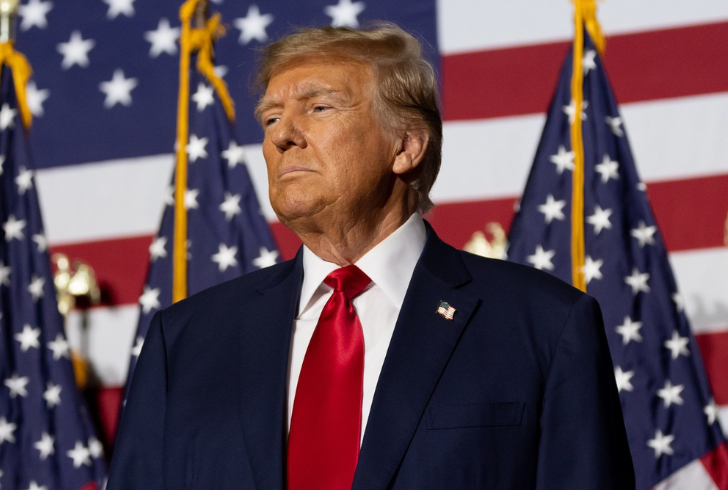
Instagram | whitehouse | The new Trump administration in 2025 introduced protectionist policies that halted and reversed trade progress.
The return of US President Donald Trump in 2025 brought a wave of protectionist policies that effectively rolled back years of trade progress. In April, the administration announced sweeping tariffs on global imports, including those from Africa.
The consequences are already visible:
Lesotho, reliant on denim and textile exports, now faces up to 15% tariffs—down from an initially proposed 50%.
Madagascar must pay nearly 47% tax on its vanilla and textile shipments.
Mauritius faces a 40% tariff on industrial goods.
South Africa’s citrus exports, once duty-free, risk losing 35,000 jobs due to higher costs.
Platinum, gold, and diamond exports—vital income sources for South Africa, Ghana, Namibia, and others—are also under new US tariffs.
Trade specialist Malick Sane from Cheikh Anta Diop University in Dakar warns that “African companies will have great difficulty in continuing to penetrate the American market with competitive products,” predicting a decline in production and employment.
A Decline Years in the Making
Even before AGOA’s end, trade between the two regions had been shrinking. Olekseyuk highlighted that “in 2017, only 8.5% of exports from AGOA countries went to the US,” significantly less than to Europe or China.
Many exporters struggled to fully leverage AGOA due to complex regulations and limited profit margins. As a result, several nations—such as Zimbabwe, South Africa, and Madagascar—are now seeking targeted exemptions or exploring new trade strategies beyond AGOA.
Economist Etienne Fakaba Sissoko sees this moment as a turning point: “For 25 years, AGOA has been presented as a gift. In reality, it mainly served the geographical interests of the United States.” He urges African nations to seize this opportunity to shift “from a logic of aid to a logic of autonomy,” emphasizing the need for economic sovereignty untethered from foreign influence.
Emerging Alliances and the AfCFTA Advantage
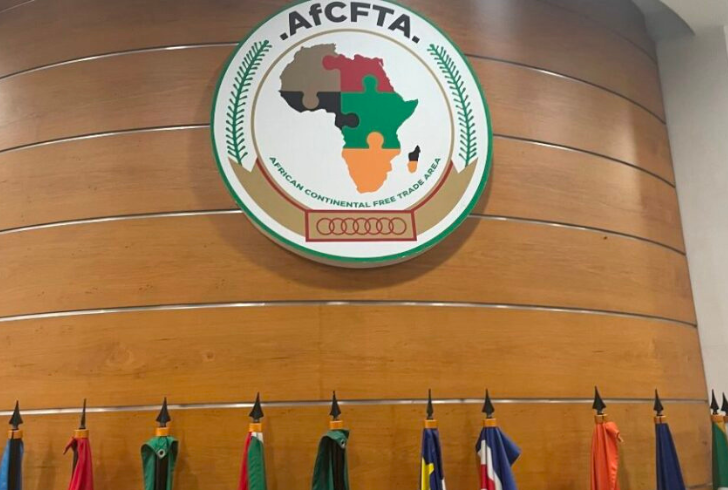
Instagram | radionow953fm | AfCFTA is gaining momentum, uniting over 1.5 billion people across 54 states to spur industrial growth.
The African Continental Free Trade Area (AfCFTA), launched in 2021, is gaining momentum as the continent seeks stronger internal collaboration. With 54 member states and a combined population exceeding 1.5 billion, AfCFTA could soon rival AGOA’s appeal by encouraging intra-African trade and industrial growth.
Sane believes the agreement offers Africa a fresh start: “AfCFTA could now become more attractive for companies across the continent than AGOA ever was.”
Meanwhile, global powers are stepping in to fill the void left by the US:
1. China eliminated tariffs for 33 African countries, driving bilateral trade up by 4.8% to $295 billion in 2024.
2. The European Union continues to partner with African nations under the Economic Partnership Agreement (EPA).
3. India, Turkey, Brazil, and Russia are strengthening their economic footprints through targeted investments.
Washington-based consultant Mamady Kamara cautions, however, that Africa must ensure “balanced agreements that actually promote local value creation.” Without careful negotiation, the continent risks trading one dependency for another.
Building a Self-Reliant Future
While the end of AGOA signals the close of a historic chapter, it also marks the beginning of a more independent trade era for Africa. Experts agree that the key lies in diversification—expanding markets, adding value to raw materials, and nurturing regional trade networks that reduce reliance on external powers.
Olekseyuk’s closing observation captures the sentiment best: “AGOA was important but has lost its appeal. Its demise shows once again that Africa urgently needs to diversify its trade structures.”
The next phase of US-Africa relations will depend not only on new agreements but also on how African nations harness this moment to redefine their economic destiny—on their own terms.