
Every year, festive campaigns fill screens with familiar sights—tearful reunions, glowing diyas, and heart-tugging background music. But Diwali advertising in 2025 looks and feels different. The emotion-driven narratives that once defined the season are taking a back seat to humor, wit, and self-aware storytelling.
Brands are rethinking how they connect, trading sentimental tears for smiles that resonate with digital-first audiences.
From Sentiment to Smart Humor
The Diwali formula is changing because the audience has changed. Modern celebrations are smaller, faster, and shaped by screens. The festival is now experienced through short videos, memes, and influencer reels rather than grand TV films. People no longer want to be told what Diwali means—they want to see reflections of their own celebrations, complete with sibling jokes, last-minute shopping chaos, and nostalgic callbacks to childhood quirks.
As Sahil Shah, CEO of Dentsu Creative Isobar, explains, “It’s not just a shift from emotion to humor. Marketers are creating culture-led stories that cut through the festive noise. It’s not only films anymore—creators, activations, outdoor, and print are being used in fresh, inventive ways.”
Younger audiences—Millennials, Gen Z, and even Gen Alpha—consume content differently. “They were born into the internet,” says Shah. “They understand cultural layers and micro-trends. They expect brands to talk like them, not at them.” The result is a more conversational and creator-driven style of advertising that feels native to online spaces.
Humor That Hits Home
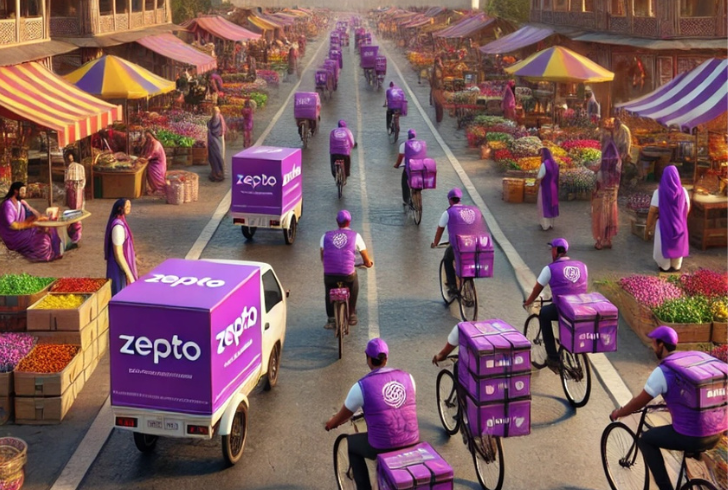
Instagram | agrawaley | Zepto shifted its campaign tone, keeping its signature delivery humor.
This season’s campaigns show exactly how this tone shift works.
1. Nothing’s Diwali film, voiced by comedian Samay Raina, stripped away visuals entirely, relying solely on voice and wit to carry the story.
2. Swiggy Instamart turned the chaos of last-minute Diwali prep into comedy gold with its “Diwali procrastinators” campaign.
3. Zepto played with its trademark delivery humor, while boAt tapped influencers for playful banter that connected instantly.
Each campaign leaned into cultural truths—the shared panic, the light teasing, the nostalgia of home—delivering laughs without losing the warmth that defines the festival.
Still, as Shah notes, emotion hasn’t disappeared. “If done right, emotion still resonates. The best work blends warmth with wit—it feels human, not heavy.”
Why Audiences Relate More Than Ever
The modern viewer connects with ads that mirror their lives. Gautam Madhavan, Founder and CEO of Mad Influence, believes this is exactly why humor works now. “People want to smile, laugh, and see themselves in the story,” he says. “The perfect family moment has been replaced by real ones—sibling fights, messy decorations, nostalgic jingles. The emotion is still there, just dressed in humor and relatability.”
Influencers are at the core of this movement. “They understand how people talk and share online,” Madhavan adds. “They’re not just faces in campaigns—they co-create the jokes, the punchlines, and the cultural cues that make ads go viral.”
Deepshikha Bhardwaj, National Lead - Media Strategy at Schbang, agrees that emotion hasn’t vanished—it’s simply evolved. “Humor and nostalgia deliver emotion faster,” she explains. “With shorter attention spans and fragmented media use, brands choose lighter formats that connect instantly while still evoking warmth.”
The Risk of Overdoing the Wit

Freepik | Emotion in Diwali ads is now subtle, hiding in clever jokes and relatable scenes.
While humor dominates, not everyone is convinced it always sells. One industry expert cautions that brands often focus too much on entertainment. “Much of the humor isn’t brand-focused—it’s just content that wins peer applause but doesn’t necessarily move products.”
The challenge is balance. In chasing viral moments, brands risk trading memorability for memeability. Still, the numbers suggest the humor-first approach is working—driving engagement, recall, and relatability like never before.
The Creator Era and Brand Personality
For Sahil Shah, the rise of creator-led storytelling signals a deeper change in brand philosophy. “Creators are no longer just amplifiers; they’re part of the idea itself. It’s about co-creating stories that belong to the internet, not just adapted for it.”
As humor becomes the new festive language, brands must master the art of being funny without losing authenticity. “Comedy is tough,” says Shah. “But when it’s rooted in cultural truth, it makes brands feel real.”
The evolution of Diwali advertising isn’t just a creative choice—it’s a reflection of modern India’s pulse. Campaigns today are not asking audiences to cry but to care, to smile because the chaos looks familiar. Emotion still lives in the frame, only now, it’s hidden inside a clever punchline or a playful nudge.
This shift from performance to personality marks a fresh chapter in festive storytelling—one where humor doesn’t replace heart, it redefines it.